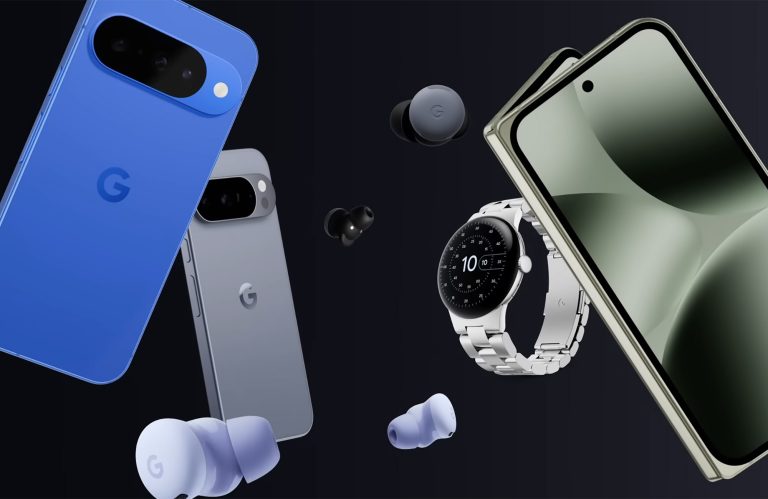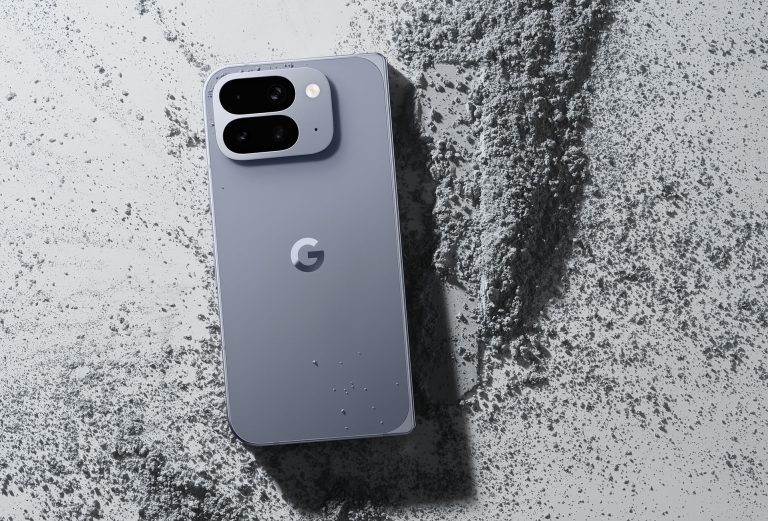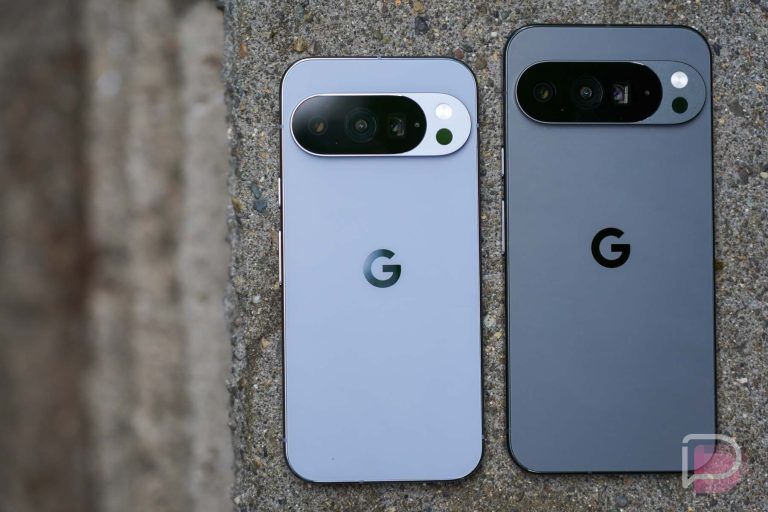

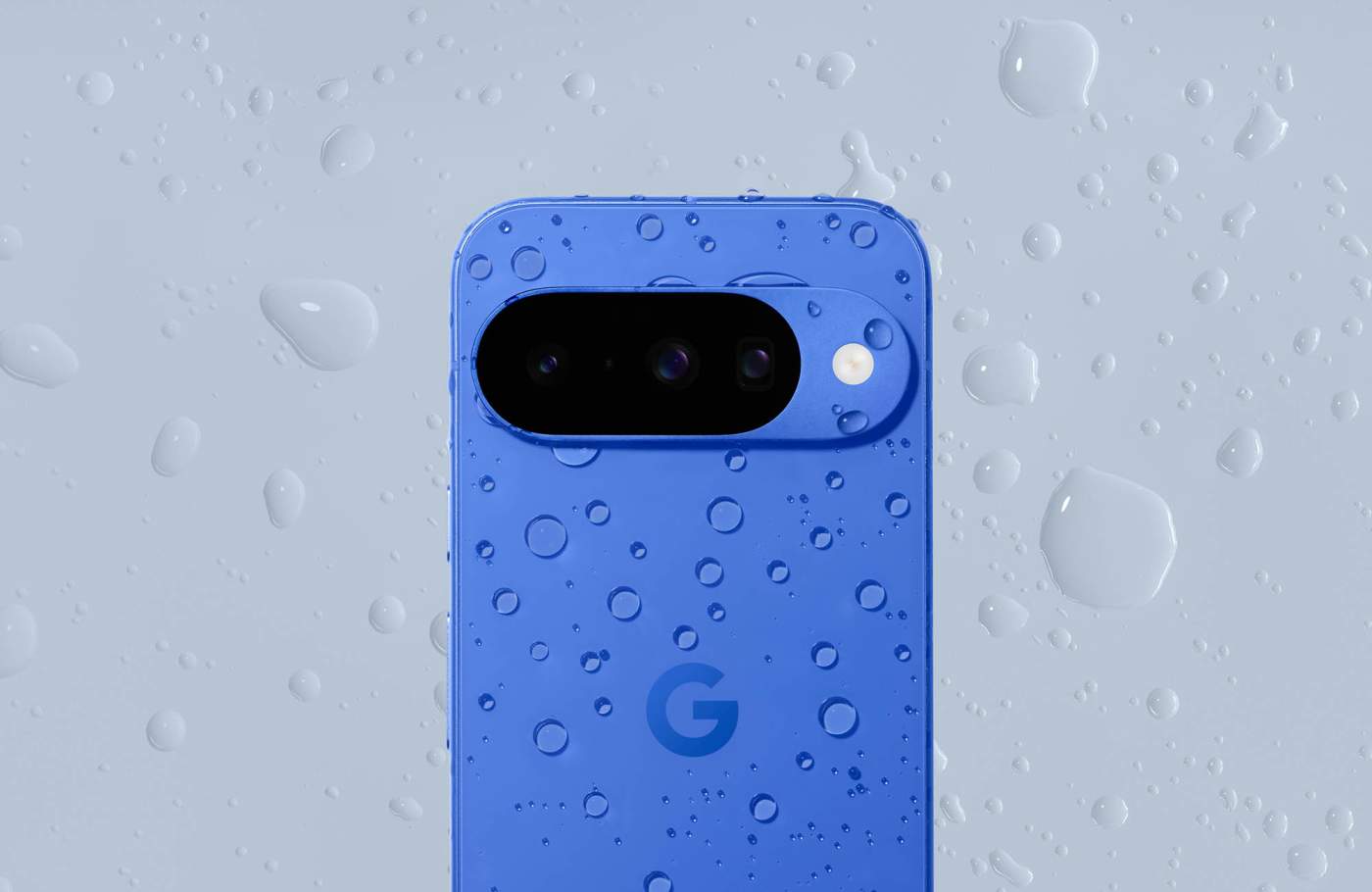

When Apple launched the iPhone 14 back 2022, they made a connectivity move that was and still is somewhat controversial, at least in the US. For US models of the iPhone 14 series, the phones switched to being eSIM only and lacked the slot for a traditional or physical SIM card. With the launch of the Pixel 10 series, Google is following Apple’s lead in the US. We love the copying of Qi2 and MagSafe in the Pixel 10, but this move is slightly different and has both positives and negatives.
Pixel 10 series is eSIM only in US: For the Pixel 10, Pixel 10 Pro, and Pixel 10 Pro XL, all are launching the US with dual eSIM support only, so they can handle two active carriers at the same time with eSIM. They’ll be able to store at least 8+ eSIMs on the device. The Pixel 10 Pro Fold still has a physical SIM card slot.
When we talk about eSIM, we’re talking about digital or embedded SIM cards that connect you to your carrier for wireless phone service. Think of the little mini SIM card you’ve swapped between phones for years – this is the digital version of that, which can move from modern phone to modern phone via software rather than as a physical action you need to take. It’s, well, an OK tech that potentially gives too much power to your carrier.
There is no physical SIM card slot in the Pixel 10, 10 Pro, and 10 Pro XL, so if you were to buy a Pixel 10, you would set it up with eSIM and then ditch your physical SIM from your previous phone. From that moment forward, if you changed phones, you would do so via eSIM, as most phones now support eSIM.
What would this look like on a Pixel 10? Google is saying that it is easier than ever to switch to a Pixel 10 from another phone, including an iPhone. During setup, current Pixel phones will ask if you want to transfer a SIM from another phone or download a new eSIM. Depending on carrier, it may ask you for login credentials or approval from your carrier through a QR code or other activation measure. It can be a pain in the ass or convenient – I’ve seen it both ways.
When moving an eSIM from Android phone to Android phone on a Pixel, the process is actually pretty slick. Google pops-up a QR code that you can scan from your old phone to initiate the transfer and it often happens without the need for your carrier. For the Pixel 10, Google may be doing something similar with iPhones too.
That said, if the process has any hiccups, it can turn frustrating in a hurry. I’ve had eSIM transfers fail, which then forced me to have to physically enter a carrier store (T-Mobile) in order to get things fixed and working again. Other carriers, like Verizon, actually make eSIM setup pretty easy. Still, the process often requires contacting a carrier, accessing their sites or apps to initiate a transfer, that sort of thing.
What’s wrong with eSIM? As I just mentioned, one of the issues with eSIM is that any issues you run into require carrier intervention and that can be a nightmare depending on the carrier or their support. It’s also not great for folks who travel internationally and want to pick-up cheap physical SIM cards or want to be able to easily test out various carriers. Physically swapping a SIM card is the fastest way to switch phones, while eSIM requires various other steps in order to get working. Should your phone break, grabbing the SIM and tossing it into a new phone would be much quicker than having to contact a carrier and start that transfer process.
Look, eSIM is fine for most people. Once you’ve set it up, it’s a lot like your physical SIM card in that you probably won’t think about it for 2 years when you upgrade to a new phone. But I just don’t like the idea of it giving carriers any more power than they already have or making your life more difficult than it used to be.
To recap, the Pixel 10, Pixel 10 Pro, and the Pixel 10 Pro XL in the US are eSIM only. The Pixel 10 Pro Fold still has a physical SIM slot and supports eSIM.