

Word on the street is, Apple is preparing its own foldable iPhone device. Its rumored size is reported to be extremely similar to what Samsung has with this new Galaxy Z Fold 8, and somehow, people are saying Samsung copied Apple? I’m sorry, but Samsung has been doing foldables for nearly 10 years now, plus Google with the Pixel Fold had this shape back in 2023. Let’s stop with the “copycat” nonsense.
Having spent a week with Galaxy Z Fold 8 now, one thing is absolutely certain in my mind: Apple might sell a billion of these. I didn’t jump on the Pixel Fold train at launch, but now having used this phone, I regret that. However, the huge difference would be size and weight. I’ll get way more into that below, but TL;DR: this phone/shape is so legit.
This is our Galaxy Z Fold 8 review!
What’s Good
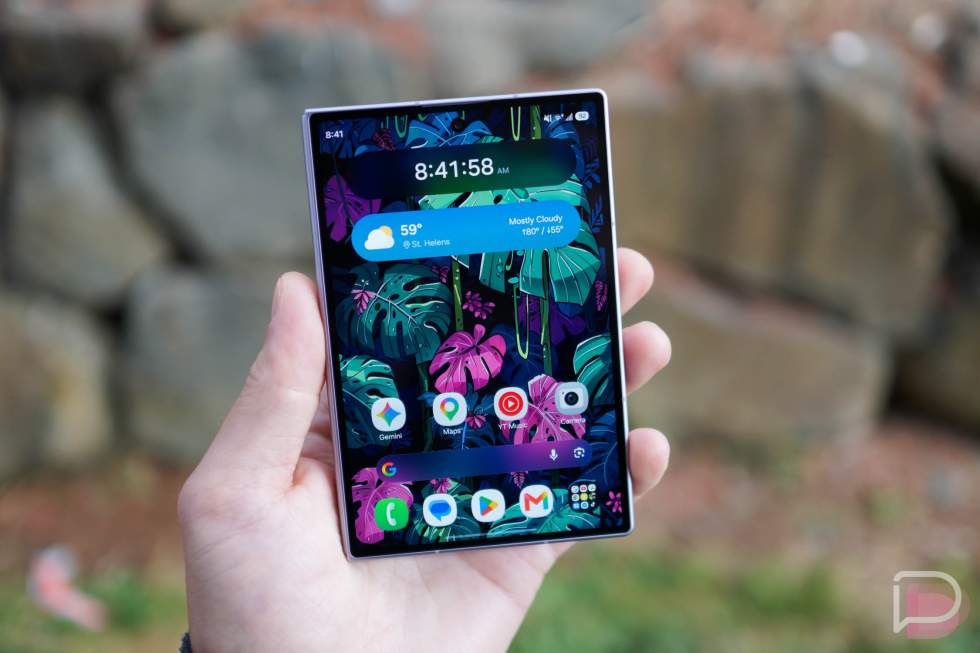
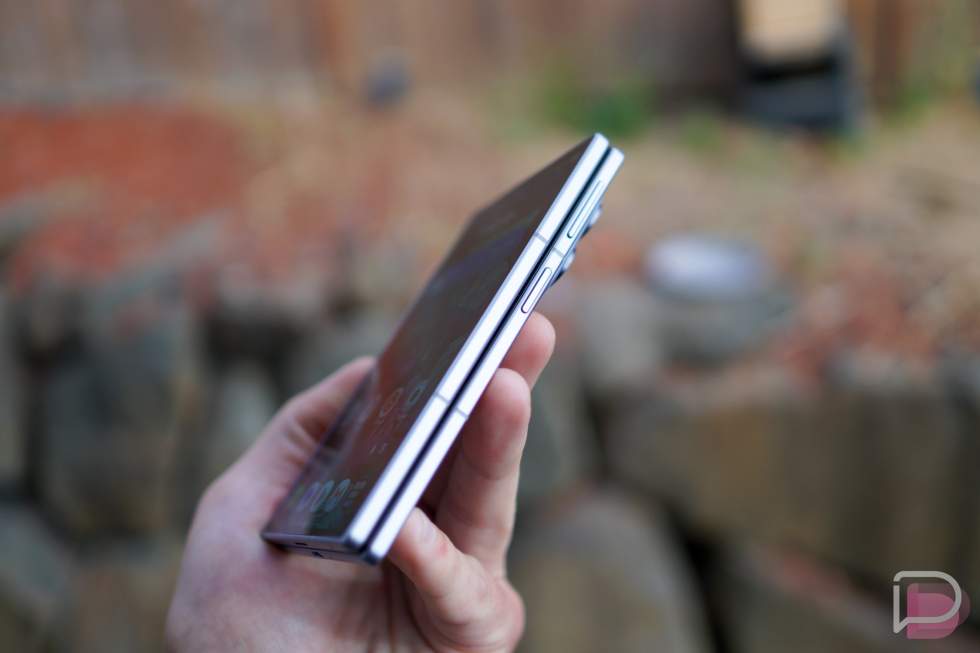
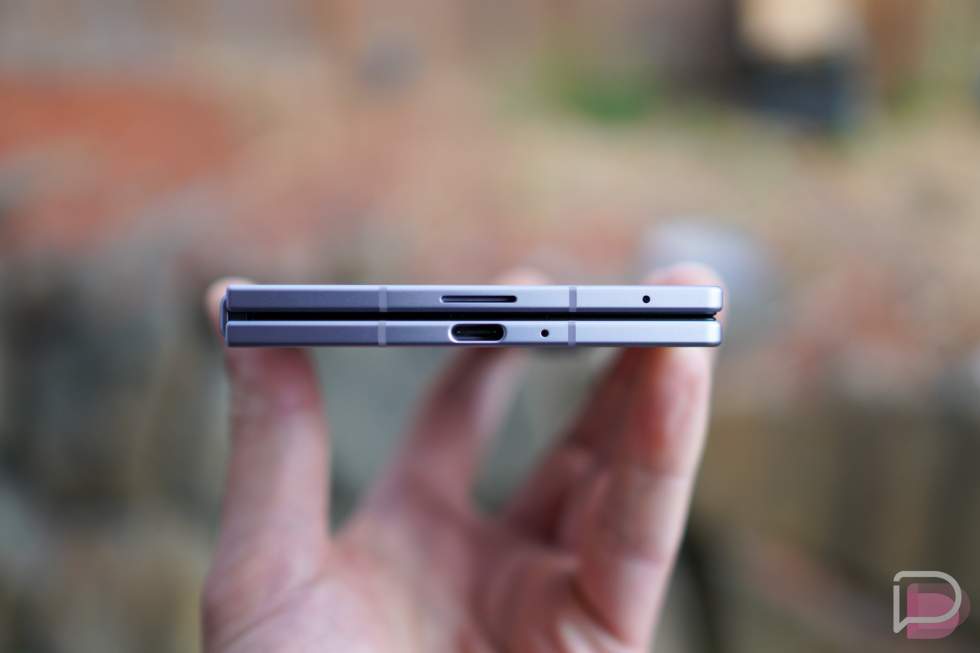
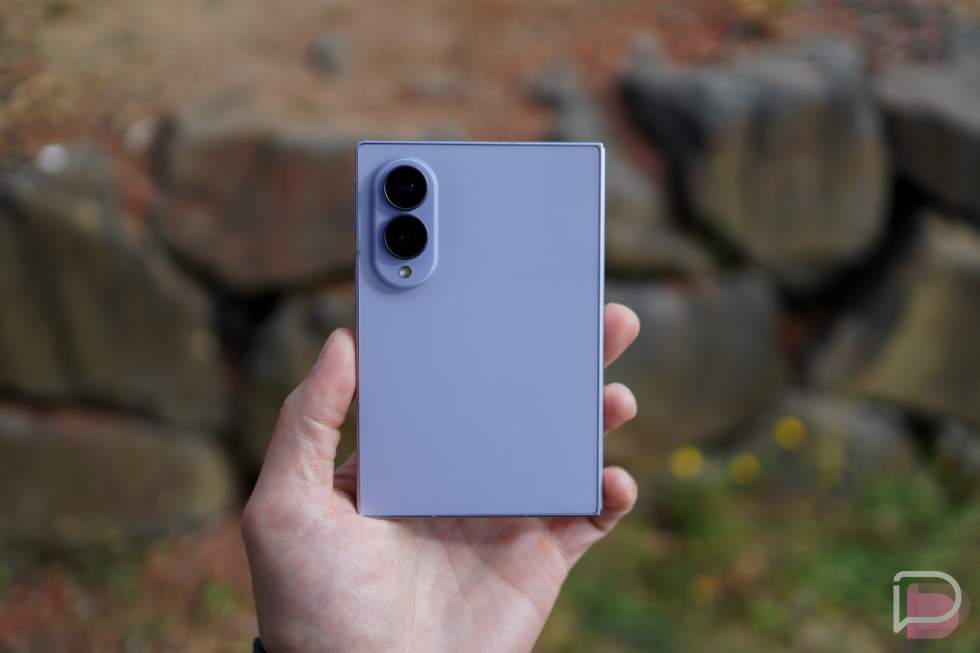
Hardware/Design: We are technically in Samsung’s eighth generation of foldables, but this is the first time the company has made this particular shape. It’s shorter than previous Fold models, as well as more wide. Eight years later from the first Galaxy Z Fold and we have what I’m thinking is the best foldable Samsung has yet to make.
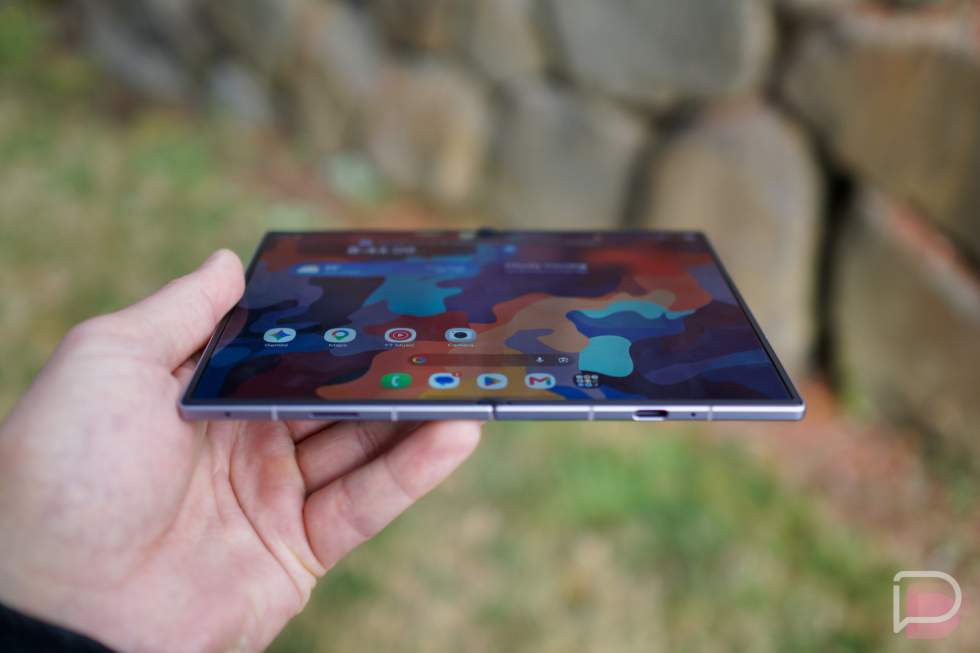
This realization makes me want to apologize to the Pixel foldable fans out there, because they have likely been shouting from the rooftops that this shape is optimal, but I was too stubborn to listen. Of course, while the overall shape is similar, the dimensions between devices tell a very different story. Pixel 10 Pro Fold is quite large in comparison, measuring in at 154.9 x 149.9 x 5.1mm when unfolded and weighs 258g. Galaxy Z Fold 8 is 161.4 x 123.9 x 4.5mm and weighs only 201g.
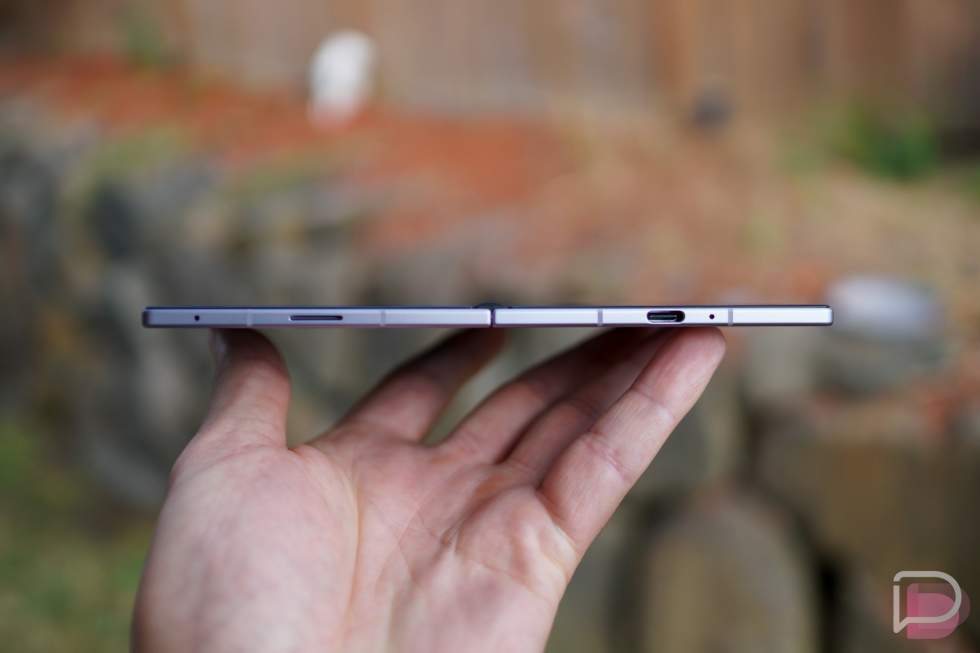
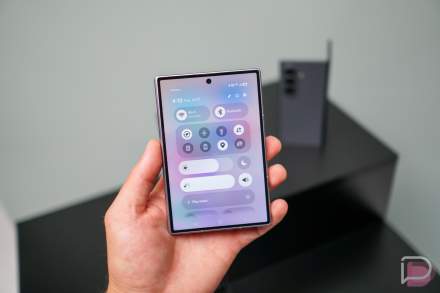
Given the wider body when closed/folded, I was nervous about one handed usage at first compared to the Z Fold 8 Ultra, but it really hasn’t been an issue. A little in-hand shuffle helps when trying to reach the top left corner, but overall, it’s very manageable in hand thanks to its weight.
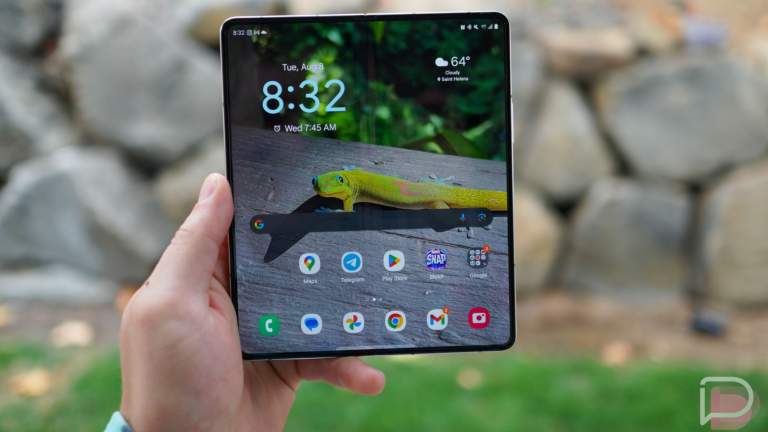
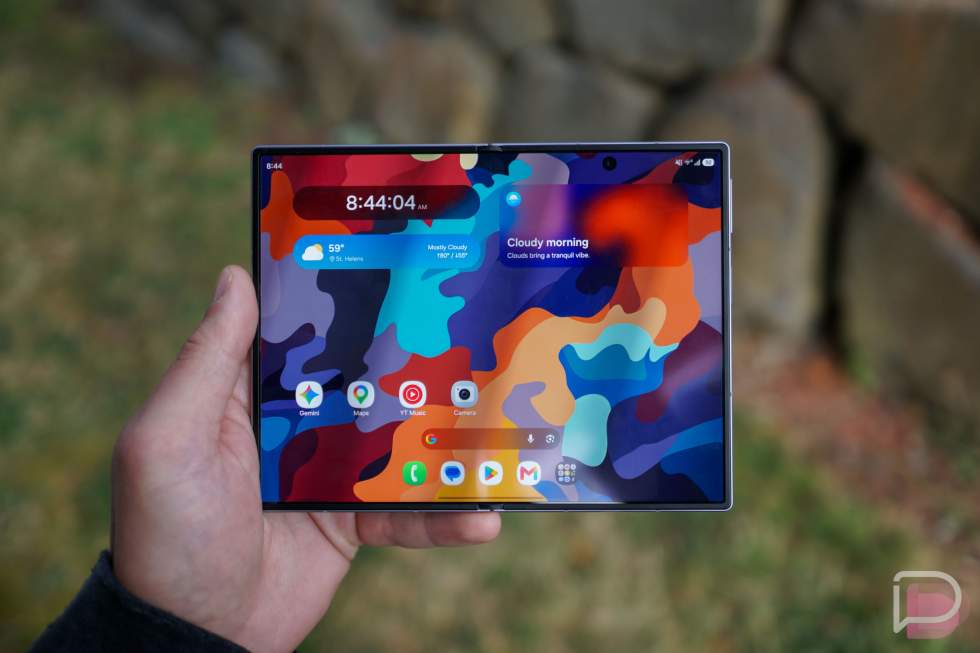
Samsung announced Flex Titanium components for this device and the Galaxy Z Fold 8 Ultra and they actually play a large role in how you experience the device. It’s two pieces — a titanium alloy film and a titanium plate. The titanium alloy film allows for a slimmer, yet stiffer (20x greater mechanical stiffness than plastic films) display panel. The titanium plate helps to eliminate gaps between the module and adhesive for more stable support when unfolded. Together, we finally have an unfolded display that shows very little crease. It’s a massive improvement when compared to past years.
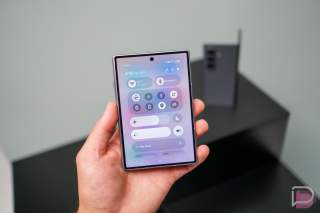
Display: You have two displays on Z Fold 8. The cover display is a 5.5-inch Dynamic LTPO AMOLED 2X with refresh rate of up to 120Hz. Considering it might be the display you interact with the most, it’s very good to my eye. It gets plenty bright for outdoor usage, plus has all of the eye protection features you want when viewing at night time.
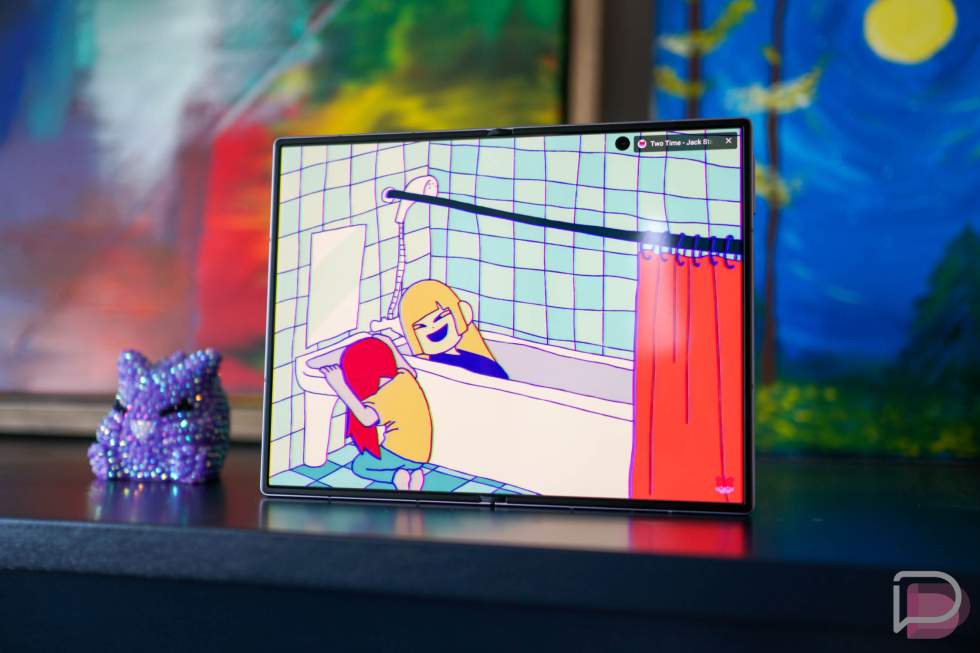
The main display is the real appeal here. When unfolded, the Dynamic LTPO AMOLED 2X display stretches to 7.6-inches with an aspect ratio of 4:3 and refresh rate of up to 120Hz. Peak brightness is listed at 3,000 nits. Samsung also included a new anti-reflection layer, which very much helps that reflective appearance that older Galaxy foldables have.
The 4:3 aspect ratio has proven quite perfect for watching videos on YouTube or Netflix. When rotated, the 3:4 aspect ratio is perfect for consuming TikToks and YouTube Shorts. I haven’t been able to game as much as I like to lately, but I booted up Brotato briefly and the gaming experience was quite lovely on the main display. It really is quite immersive, perfect for the cross country flight I had to take after picking this review unit up in New York City.
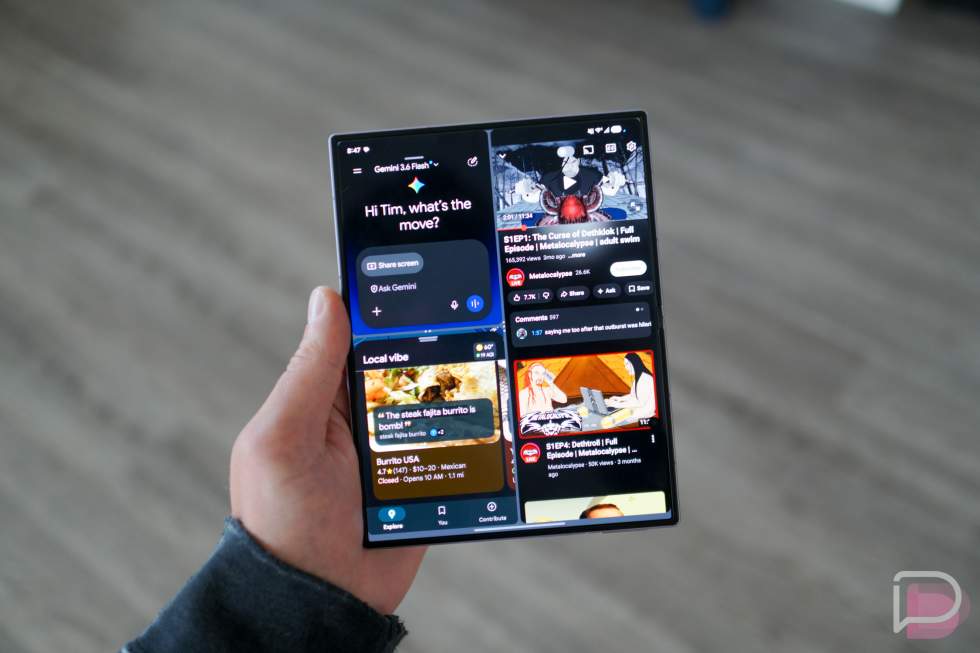
Obviously, multitasking is made easy on this display, even better than what I had on last year’s Galaxy Z Fold 7. Apps just look better when split on this 4:3 screen. I don’t find myself in that group of people who need to have multiple apps on screen at the same time, but if I did need to, I know that Z Fold 8 could handle it wonderfully. You can open one app, then tap the line button on the top of the screen. From here, you can find all of your screen splitting controls.
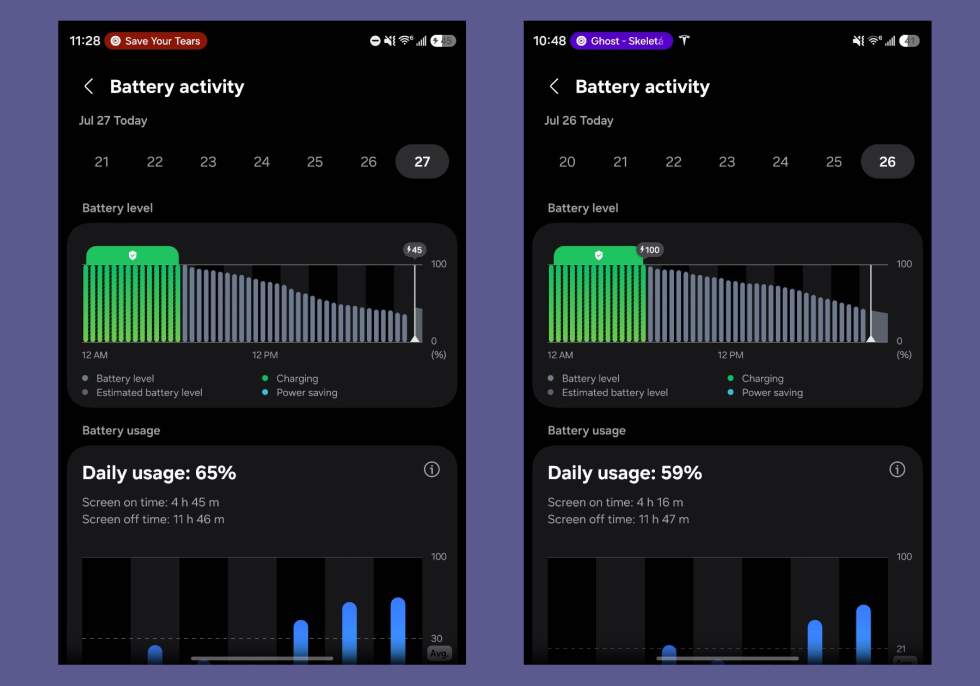
Battery: Battery life has been pleasant. My typical day, with a new puppy, is anywhere from 6 to 7am and sleep around 10pm. I’ve been going to bed with 35%+ battery life and 4-5 hours of screen on time each day. It’s been very consistent for me. I have been utilizing my phone a lot, watching videos and chatting with friends while I’m stuck at home with the dog.
Samsung has employed silicon carbon batteries for the Z Fold 8 and Z Fold 8 Ultra. This technology allows smaller cells with increased capacity. Even in this tiny little frame, Samsung was able to fit a 4,800mAh battery inside, which is impressive. As a reminder, last year’s Galaxy Z Fold 7 had a 4,400mAh battery, which helps put the advancement into a better perspective. Wired charging was also upped to 45W and 20W for wireless. There are no Qi magnets included, which has been a downgrade for my life.
Specs/Performance: You can always see a full spec breakdown here, but there are a couple I wanted to highlight, within the context of overall device performance. This phone is super smooth, definitely thanks to continued innovation between Samsung and Qualcomm. Powering this phone is the Snapdragon 8 Elite Gen 5 for Galaxy chipset. The “for Galaxy” in the name equates to higher CPU and GPU clock speeds (+100MHz), in case anyone was curious.
The base model ships with 12GB RAM, which thanks to the ongoing memory shortage, seems to be the new normal. Do buyers of a $1,899 phone deserve 16GB to be the base? Absolutely, yes, but welcome to 2026 where we all pay more for less. Even with 12GB RAM, the phone is plenty fast and smooth, at least with the type of usage that I’m doing. I don’t put it through offline AI coding sessions or anything, but skipping through apps and replying to a message in the background while a video is playing seems like very light work for this phone.
Galaxy Z8 Family Specs
| Galaxy Z Fold 8 Ultra | Galaxy Z Fold 8 | Galaxy Z Flip 8 | |
| Display (main) | Main Display: 8.0″ QXGA+ Dynamic AMOLED 2X 120Hz Adaptive Refresh Rate | Main Display: 7.6″ QXGA+ Dynamic AMOLED 2X 120Hz Adaptive Refresh Rate | Main Display: 6.9″ FHD+ Dynamic AMOLED 2X 120Hz Adaptive Refresh Rate |
| Display (cover) | Cover Display: 6.5″ FHD+ Dynamic AMOLED 2X 120Hz Adaptive Refresh Rate | Cover Display: 5.5″ FHD+ Dynamic AMOLED 2X 120Hz Adaptive Refresh Rate | Cover Display: 4.1″ HD+ Super AMOLED 60/120Hz Adaptive Refresh Rate |
| Size (unfolded) | Unfolded: 158.4 x 143.2 x 4.1 mm | Unfolded: 123.9 x 161.4 x 4.5 mm | Unfolded: 166.9 x 75.4 x 6.1 mm |
| Size (folded) | Folded: 158.4 x 72.8 x 8.9 mm | Folded: 123.9 x 81.9 x 9.7 mm | Folded: 85.7 x 75.4 x 13.1 mm |
| Weight | 215 g | 201 g | 180 g |
| Cameras | Main: 200MP Wide AF OIS Wide: 50MP Ultra Wide AF Tele: 10MP Tele AF OIS (3x Optical / 30x Space Zoom) | Main: 50MP Wide AF OIS Wide: 50MP Ultra Wide AF 10x Digital Zoom | Main: 50MP Wide AF OIS Wide: 12MP Ultra Wide 10x Digital Zoom |
| Selfie: Main: 10MP / Cover: 10MP | Selfie: Main: 10MP / Cover: 10MP | Selfie: 10MP | |
| Video: Main: FHD @ 60 fps Cover: 4K @ 60 fps | Video: Main: FHD @ 60 fps Cover: 4K @ 60 fps | Video: 4K @ 60 fps | |
| Processor | AP (Processor): Snapdragon® 8 Elite Gen 5 for Galaxy | ||
| RAM / Storage | 12GB RAM | 256GB, 512GB 16GB RAM | 1TB | 12GB RAM | 256GB, 512GB 16GB RAM | 1TB | 12GB RAM | 256GB, 512GB |
| Battery | 5,000 mAh | 4,800 mAh | 4,300 mAh |
| Charging | Super Fast Charging 2.0 Super Fast Wireless Charging & PowerShare | Super Fast Charging 2.0 Super Fast Wireless Charging & PowerShare | Super Fast Charging 2.0 Fast Wireless Charging 2.0 & PowerShare |
Software: Shipping with One UI 9 (Android 17), Samsung continues its push to incorporate AI agentic experiences. For example, it included Google’s Gemini Intelligence on its latest foldables, which allows you to access certain services, such as ordering a car or a food order, all with your voice and the work is done automatically behind the scenes. Also included in Gemini Notebook, which is the viral (popular for a week) service from Google that lets you create slide decks and even your own custom podcasts based on whatever subject you might want. Yes, it’s all cool, but not something most users are going to tap into.
Where Galaxy AI has been useful for me is Call Assist, screening all of the spam crap that has been plaguing my phone number for the past month. You can set this feature to auto screen calls that are suspected spam and scams or set to screen all unknown numbers. And of course, just regular ol’ Gemini is nice to have, always accessible via a long press of the home button.
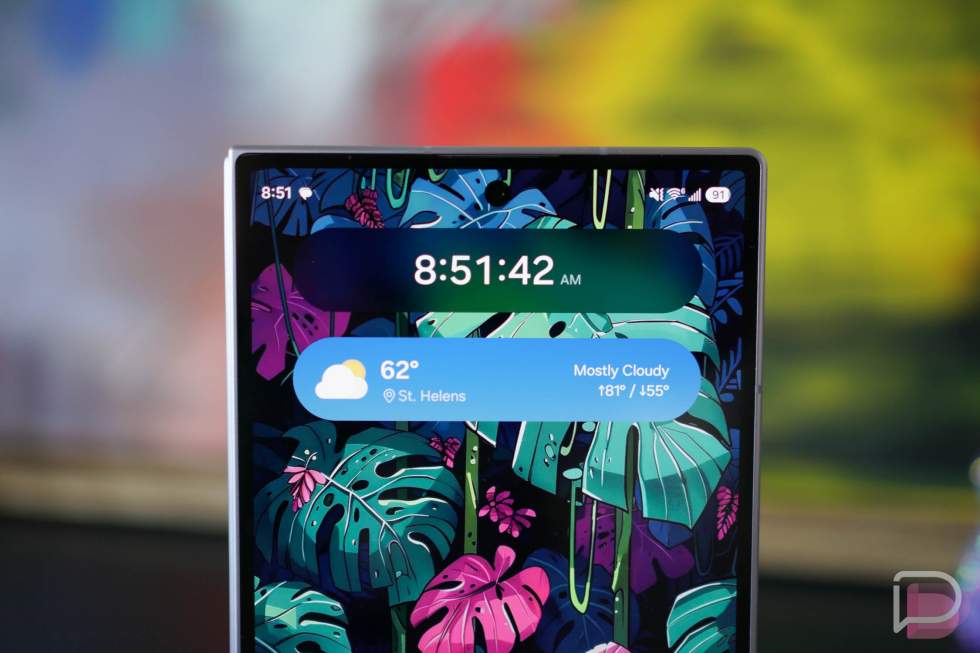
I have come across a wallpaper bug when opening and closing the main display, but I imagine that will get ironed out in an update. Sometimes after closing the main display, the cover display’s wallpaper gets cropped into the top left corner. Opening an app or turning the display off and back on clears it up.
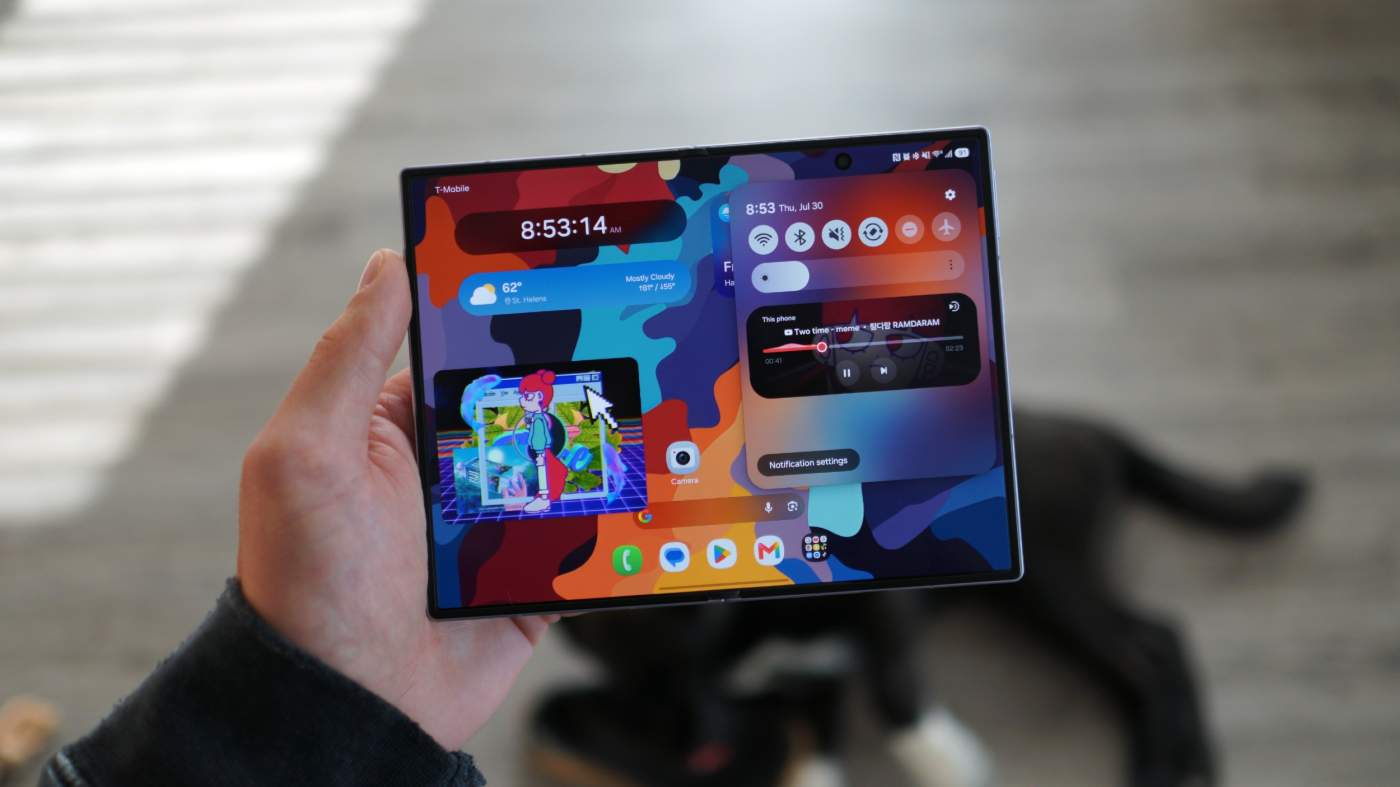
One UI 9 has a lot of customization features that I have been enjoying. Like Android 17 in general, a lot of the system colors can be tweaked to however you see fit. There is a lot of opacity differences going on between the system and widgets, so one note I would give to Samsung is to allow for the user to toggle something that allows for a system-level opacity setting. It’s not just the amount of see-throughness, but the color shade as well. It’s a small OCD issue I’ve noticed.
Could be Better
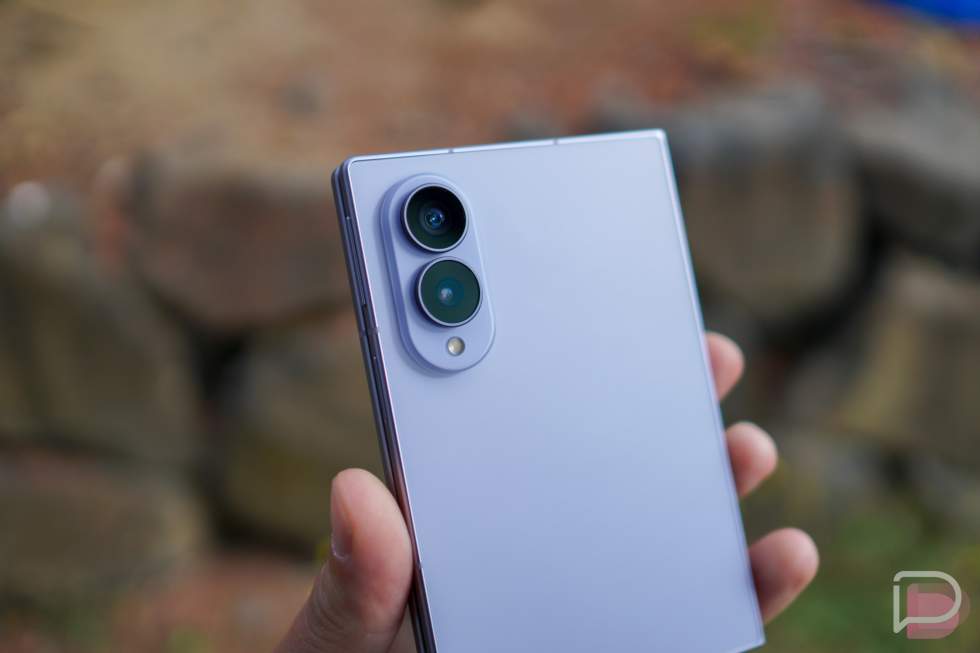
Camera: Unlike the Galaxy Z Fold 8 Ultra that comes with three rear-facing cameras, Galaxy Z Fold 8 has two rear-facing cameras and two selfie cameras (one on the cover display and one on the main display). It has two 50MP shooters, one wide angle lens and one ultrawide. As someone who really appreciates having a telephoto lens, its absence is felt quite a bit, but space is ultimately limited on this device and there does need to be differentiation between the models. I get it, but that doesn’t mean I have to like it.
For the specs lovers, the 50MP wide angle shooter features f/1.8, dual pixel PDAF, and OIS. The 50MP ultrawide is f/1.9, with dual pixel PDAF and no OIS. Both selfie cameras are listed at 10 megapixel.
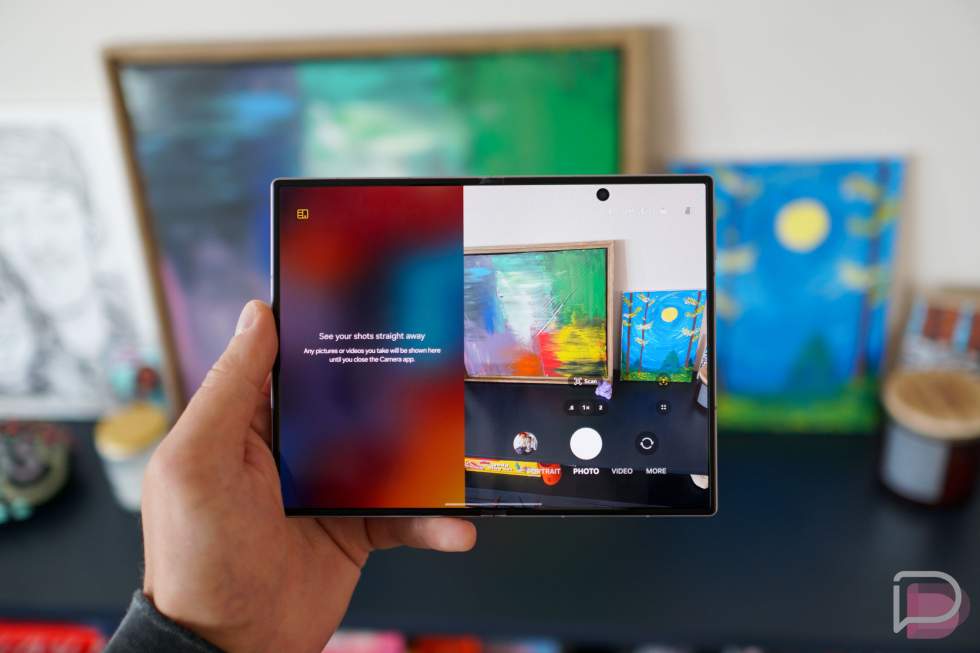
There isn’t a lot of camera hardware to talk through here, so while your shot options can feel limited, I’ve found that the two cameras work well in the point-and-shoot sense. You don’t get a lot of the flexibility you might get from a phone like the Galaxy S26 Ultra or Pixel 10 Pro, but none of those phones unfold into a 3:4 tablet-like display. You win some, you lose some.
Even with two rear cameras, Samsung still packs in a lot of software. A lot of the popular shooting modes are available here, such as Expert RAW, Pro/Pro Video, Slow Motion, Hyperlapse, and Samsung also improved upon its Nightography shooting mode yet again. Most importantly, if you only get two cameras, you want them to work well and process quickly. I’ve found that to be the case here. These cameras get the job done, but let’s be honest, you aren’t buying this phone for the ultimate camera experience.
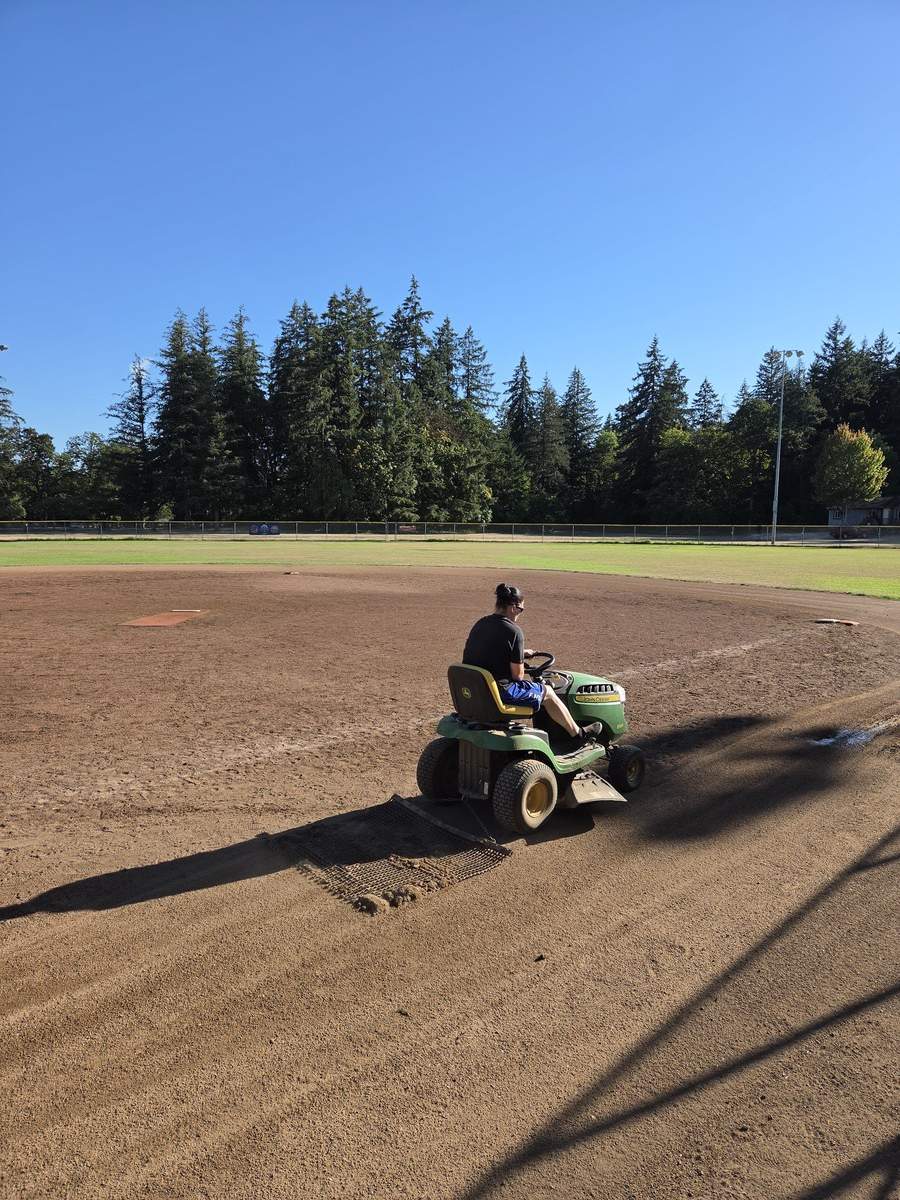
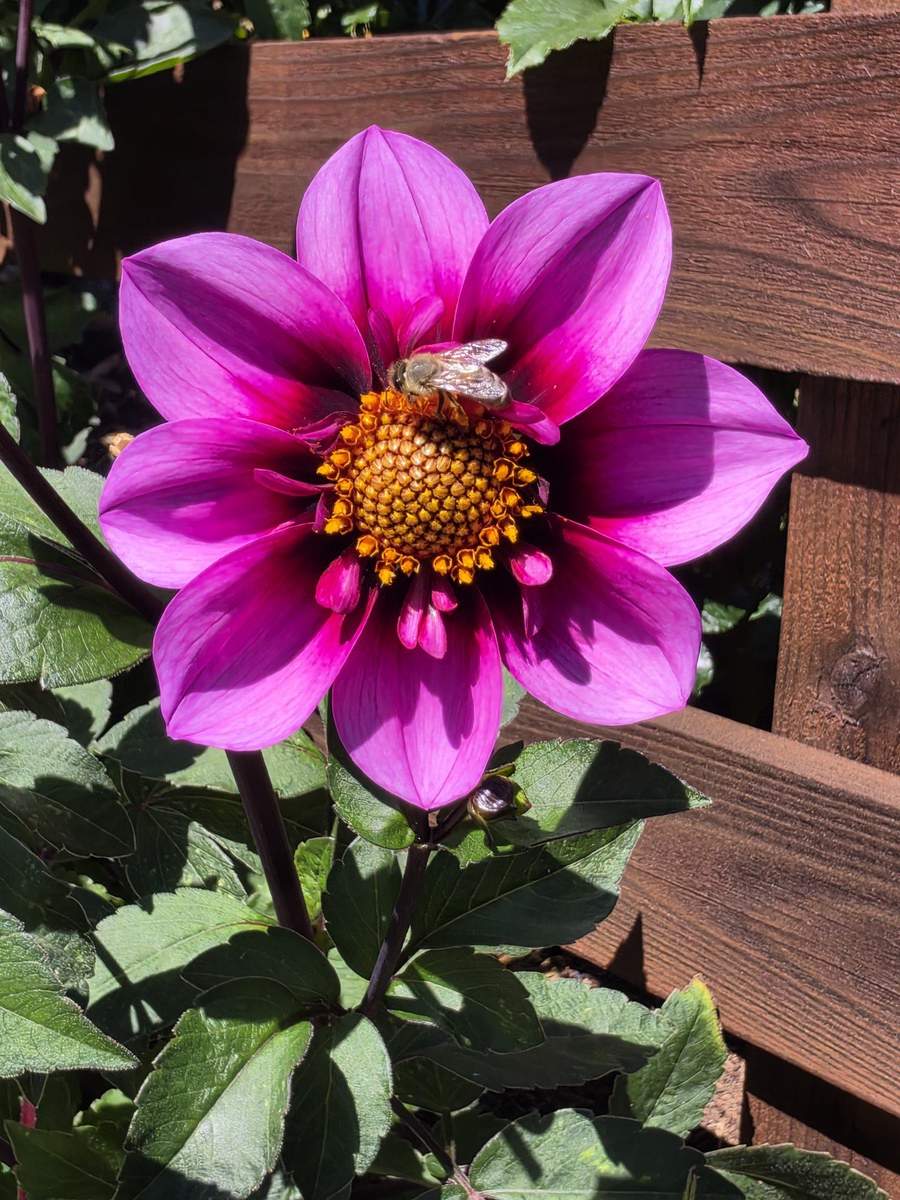
Photo samples below.
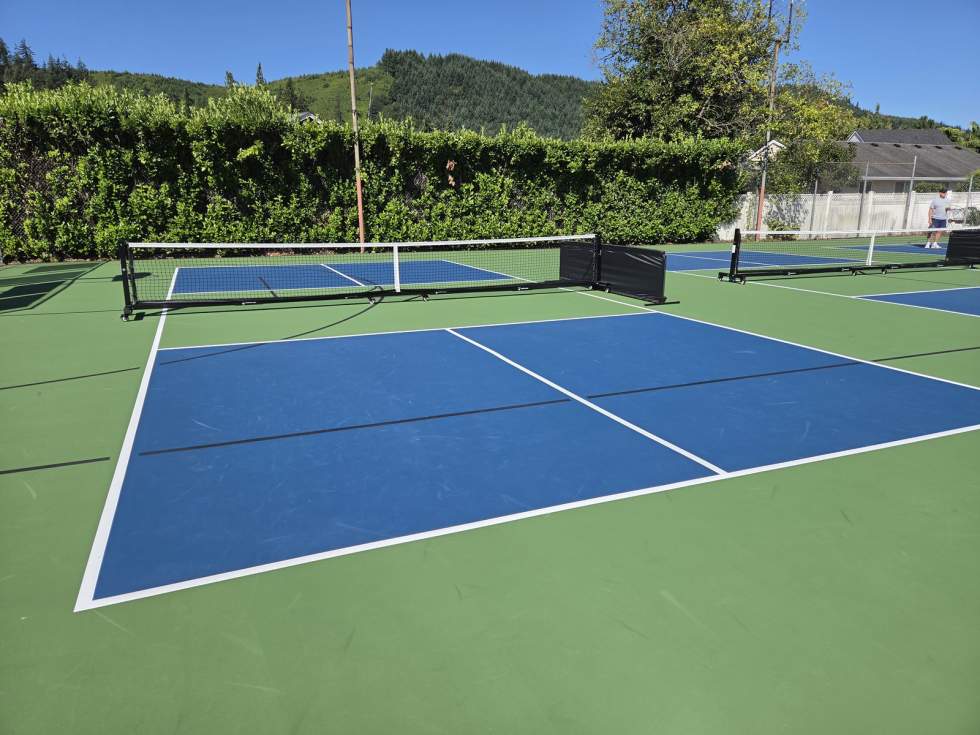
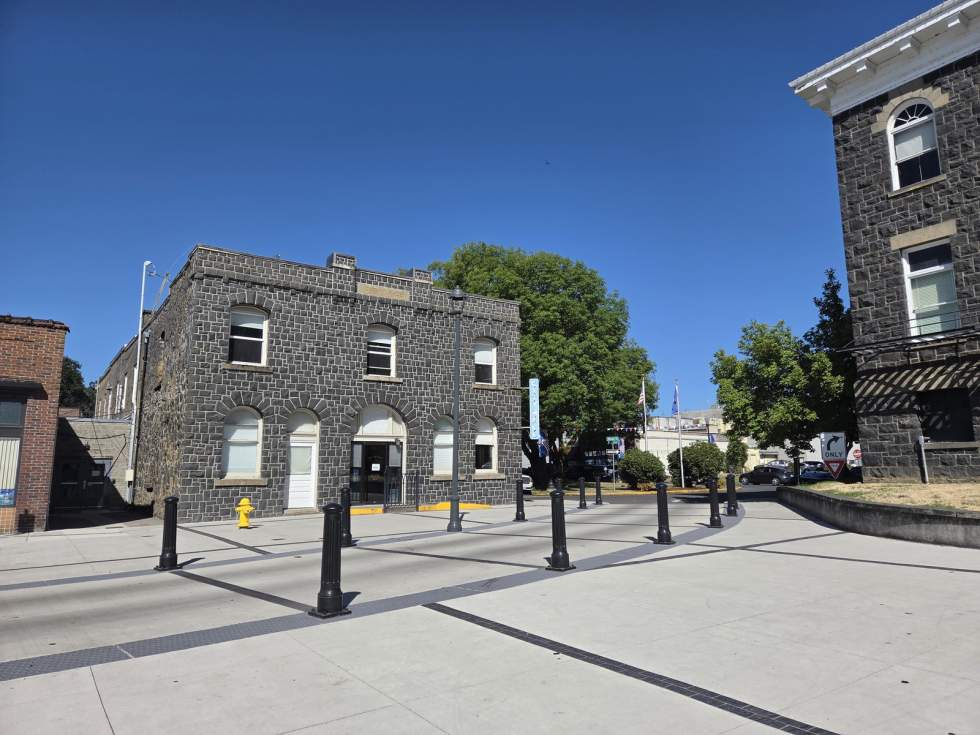
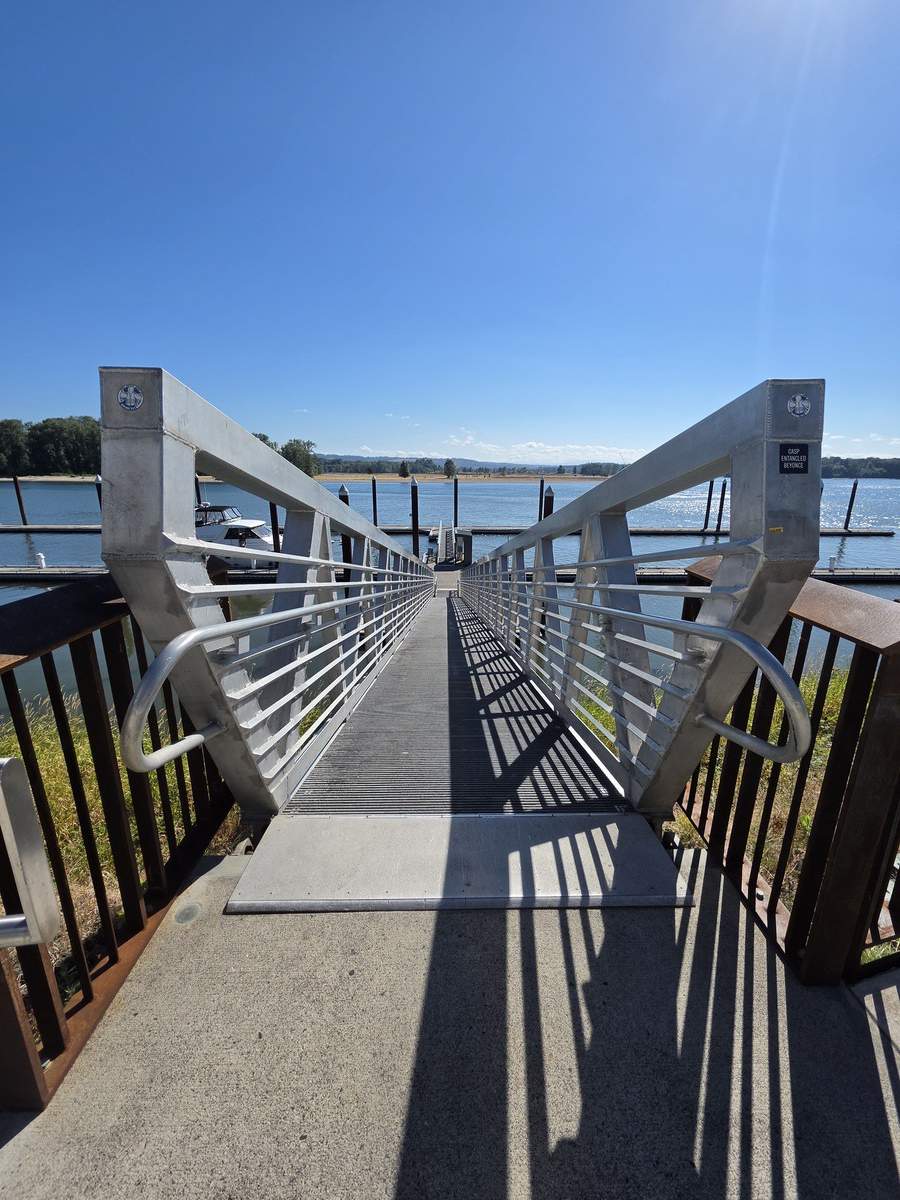

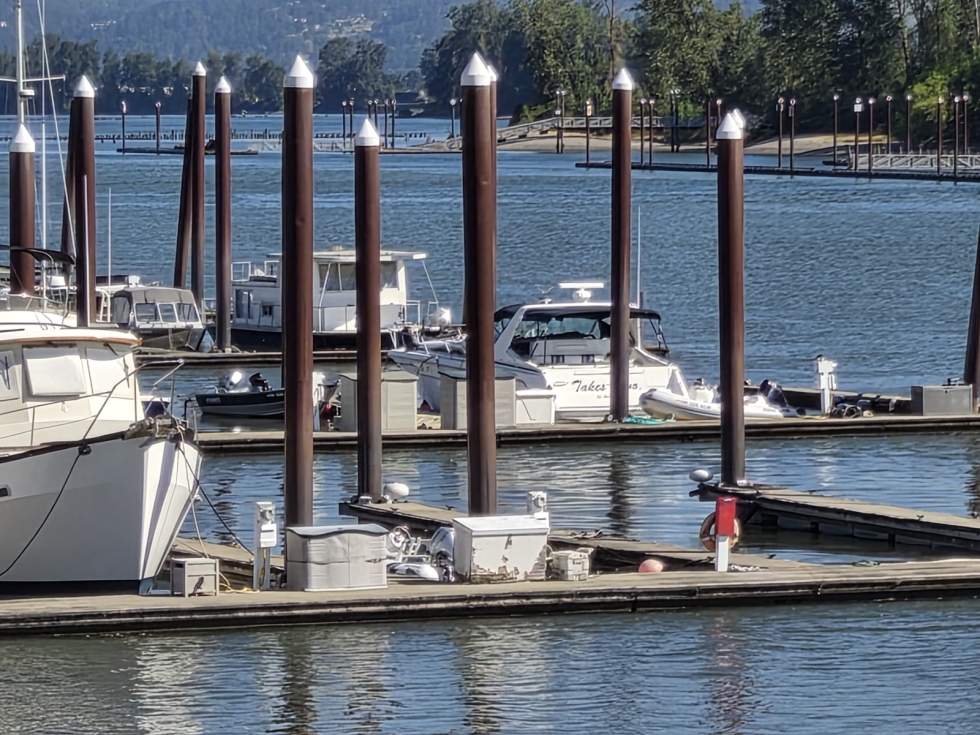

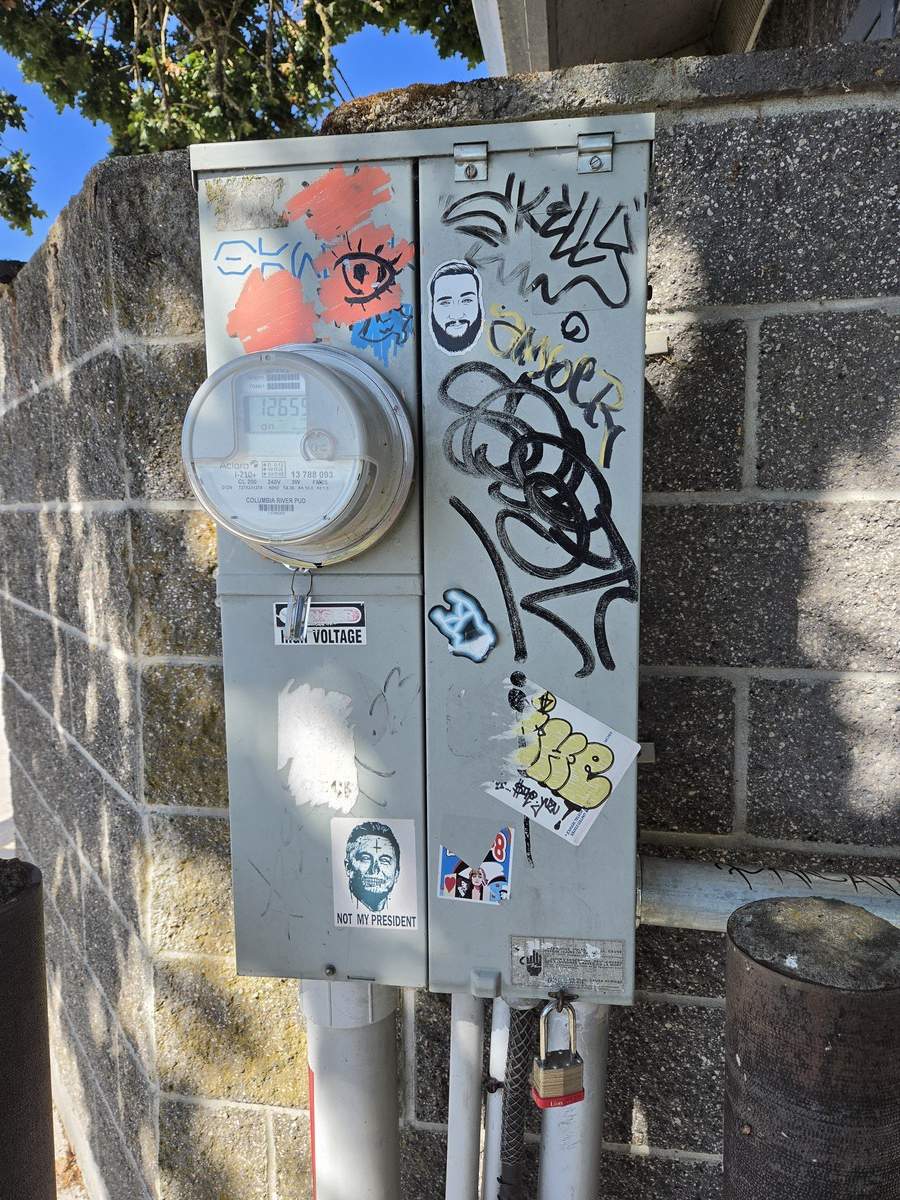

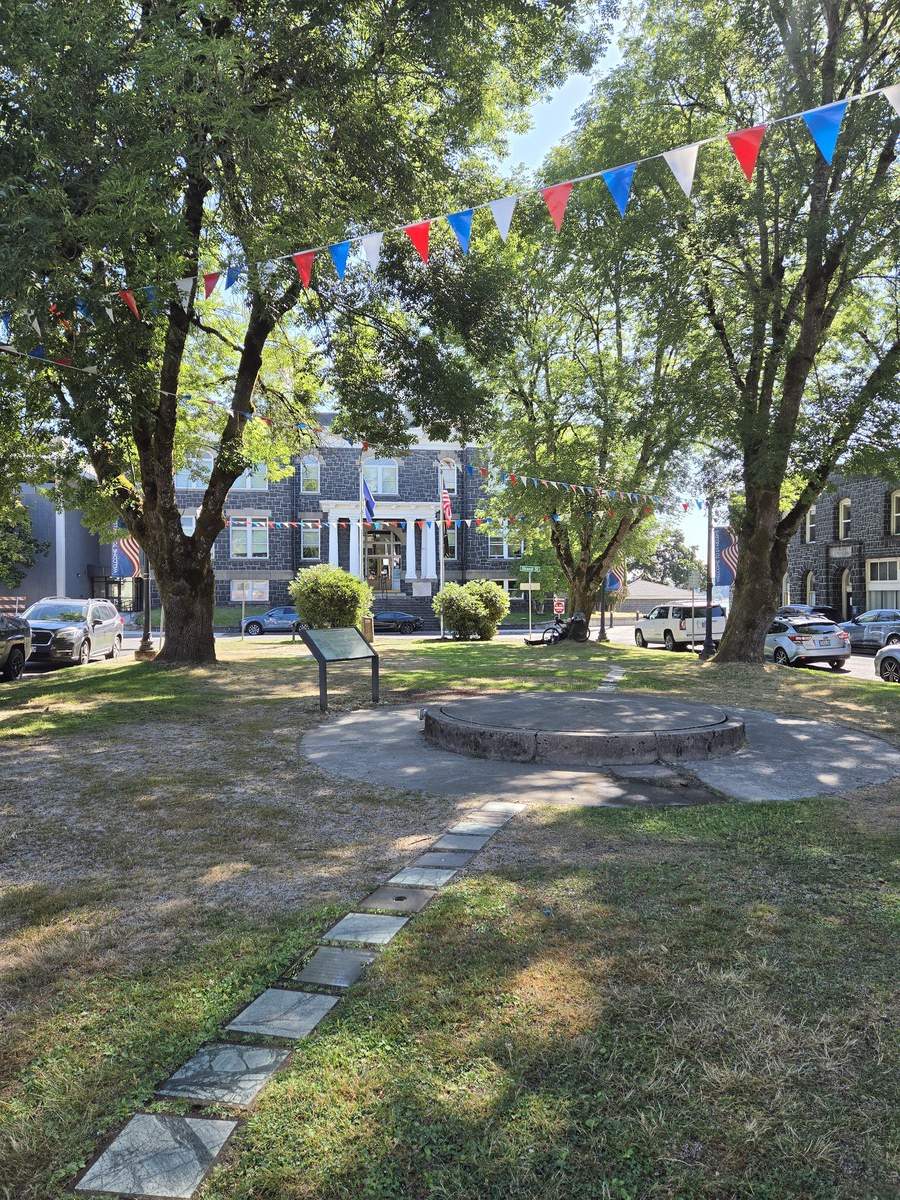


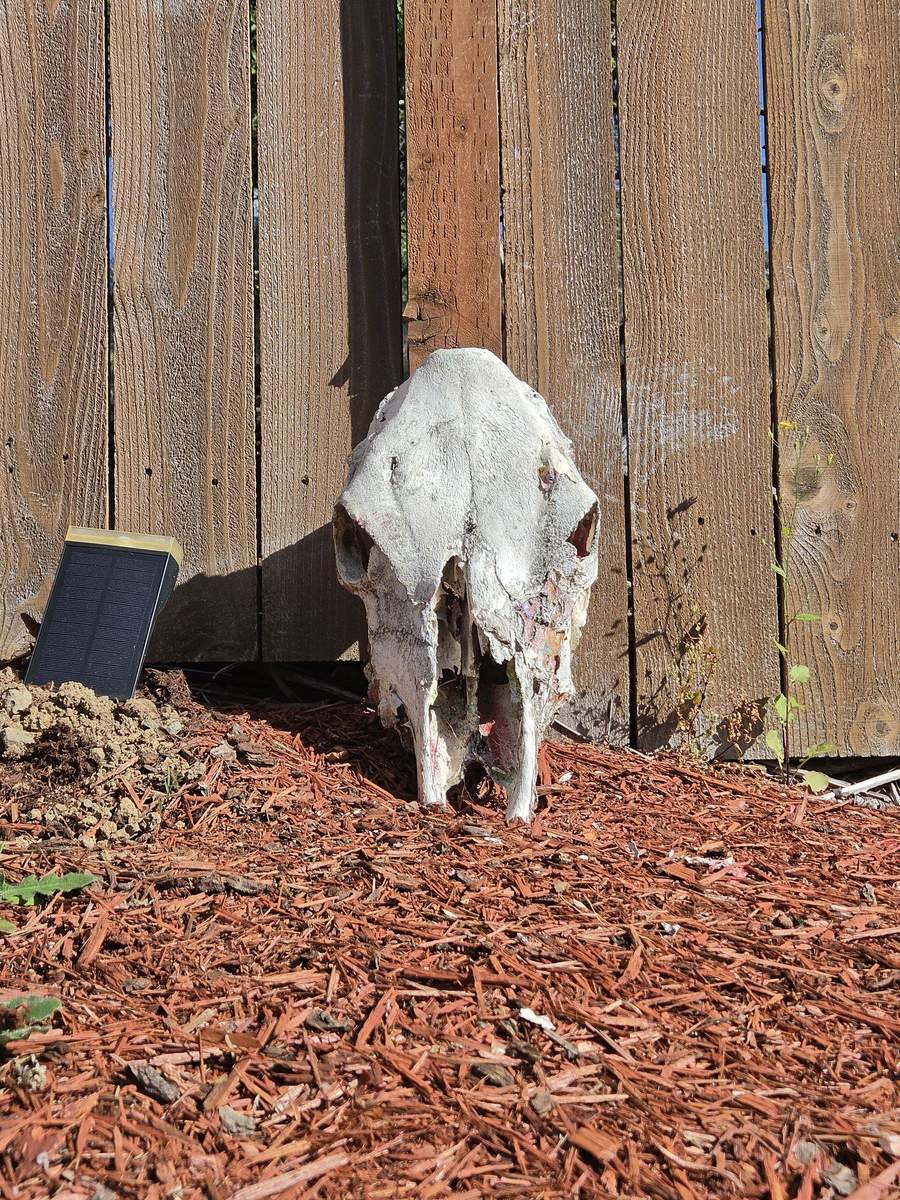



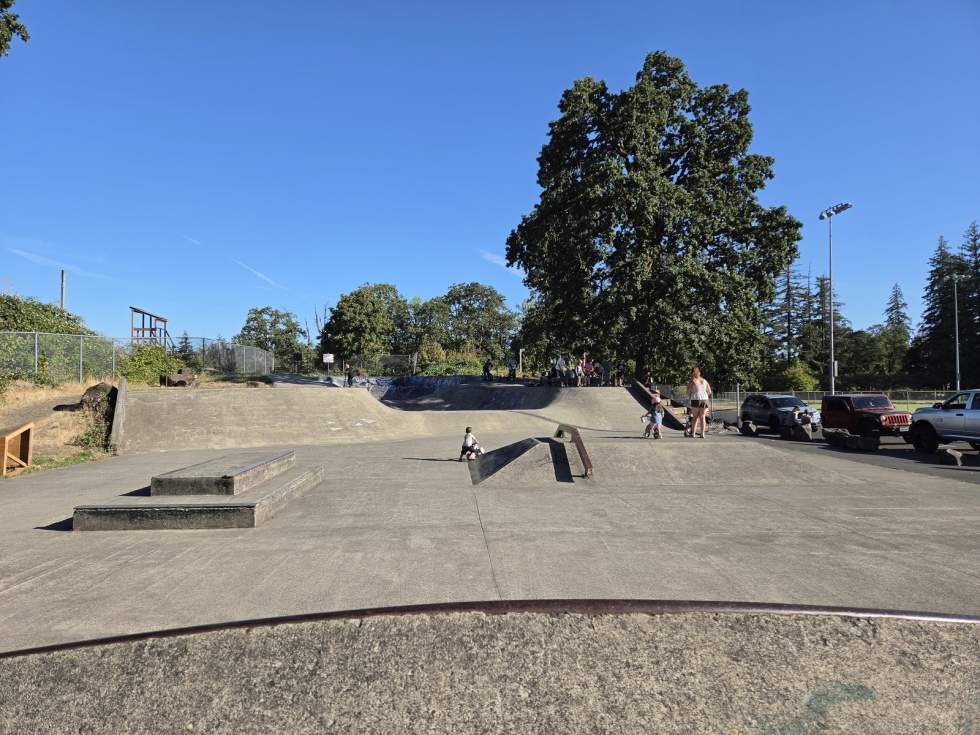

I Want Privacy Display: My favorite feature from the Galaxy S26 Ultra did not make its way to the new Galaxy Z Fold 8 or Galaxy Z Fold 8 Ultra. Privacy Display is one of the best additions to Samsung hardware in years, and given the pricing for both of these new foldables, I was really hoping Samsung could find a way to squeeze it in. I don’t understand the technology behind Privacy Display or if it’s even possible to “fit” it into these panels, but it still would have been nice to have. Once you have a feature like that built into your phone, it’s hard to go without.
Other Notes
- IP Rating: Z Fold 8 comes with an IP rating of IP48. That’s not bad at all. It indicates that the phone is capable of submersion at up to 1.5 meters for 30 minutes. However, it is not recommended for usage around an ocean or pool.
- App Annoyances: One of the games I play, NYT’s Crossplay, has not been updated to support this phone’s layout. I’m sure there might be other apps/games out there like this, but the game is currently unplayable on Z Fold 8. Sorry to all of my current opponents waiting for me to play my turn!
- Wife Impressions: “I like how it feels in one hand, I was concerned it would be too wide considering how short it is. They’ve done a real good job on the inside screen and making the crease not as visible. I really love the lavender color.”
Gallery
Pricing and Availability
Galaxy Z Fold 8 is available for $1,899 anywhere Galaxy is sold. One of the other major differentiations between Z Fold 8 and Z Fold 8 Ultra is the price. This is the less expensive one (by $200), but in a few ways, I feel like its the better one. That could be my love for the 4:3 unfolded display talking. But here’s a wager I’d be willing to make. If both the Z Fold 8 and Z Fold 8 Ultra had matching specs and price tags, Z Fold 8 would be the more popular one.
Galaxy Z Fold 8 is available in Lavender, Cream, Graphite, and Pistachio.
Buy: Galaxy Z Gold 8
The Verdict
For Android fans, Samsung buyers in particular, this is the phone to have in 2026. If you have been on the fence about foldables, stop debating and at least go to your local retailer to get your hands on one. It’s a great feeling device and instantly came off as a game changer to me. If you’re not a foldable person, stick to whatever you enjoy, but please, don’t knock it until you try it.
I really can’t use this phone without thinking about the Apple customers out there that will presumably get their hands on an iPhone that looks like this and have their brains melted. Knowing Apple, they will knock the hardware out of the park. As a tech fan in general, I look forward to a bit of foldable competition. Apple customers are going to be delighted.
I’ll leave you with this. Galaxy Z Fold 8 is lightweight, packed with features, provides an immersive viewing experience, and is fun to use. It reinvented that feeling of novelty for me with foldable phones, which I didn’t think would be possible. This phone will more than likely be my vote for POTY.